
CommunityScale is leading a comprehensive Housing Study and Strategic Action Plan for the Will County Center for Economic Development (CED) in Illinois. The study provides a data-driven framework to promote housing that meets the needs of communities across this fast-growing county on the southwest side of the Chicago metro area and improve its competitive economic position in the region.
The study encompasses six subregions across Will County, IL, combining a housing needs assessment, market analysis, suitability mapping, barriers analysis, and stakeholder engagement into an actionable strategic plan. The work responds to a set of interconnected challenges: an aging population, young professionals leaving the county, limited housing diversity, and rising costs that have pushed homeownership out of reach for many workers.
A County at a Crossroads
Will County has grown steadily since 2010, but that growth has been almost entirely in low-density, single-family subdivisions built on previously undeveloped land. Meanwhile, the county’s most walkable and amenity-rich areas have older housing stock and have actually seen a net decline in housing units. On average, 814 more people aged 20-34 leave Will County annually than move in, while the 65-and-over population is projected to increase significantly in every subregion.
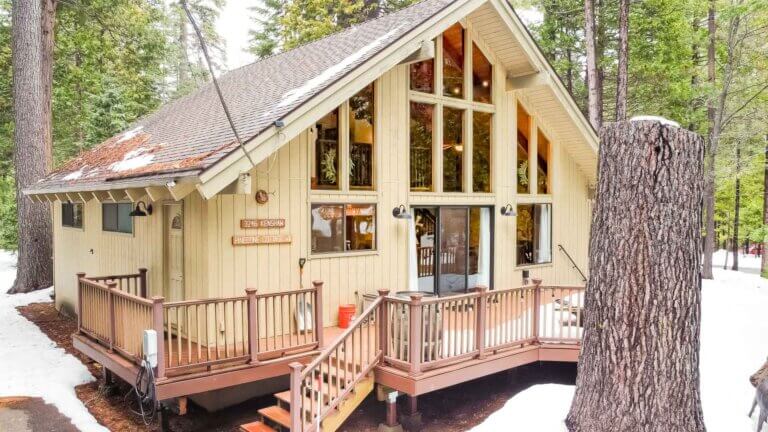
These demographic shifts are changing what housing the county needs. Fewer families with children and more single-person households are driving demand toward smaller units, townhomes, condos, and apartments. But with only about 25% of the housing stock in multifamily buildings and limited rental options outside the Joliet area, the current inventory is not well positioned to serve these emerging needs. As a result, the county may struggle to attract the higher-paying employers and employees needed to help it compete economically with other counties in the region.
Understanding Market Gaps
The study’s market analysis uses household personas to illustrate how the county’s housing gaps play out for real people representing the types of workers and households Will County would like to attract and retain. A newly graduated registered nurse earning $72,000 and looking for a small rental finds only 8 to 20 listings per month in their price range countywide, with just 6 units built in the last 20 years. A retiring finance worker looking to downsize into a 1-2 bedroom home has somewhat more options, but a young couple with a child and a combined income of $117,000 faces a narrow and competitive market for starter homes.
Home prices remain affordable to median income earners in most subregions, but housing is considerably less affordable than it was a decade ago. Young, single-earning professionals just entering the workforce are effectively priced out of homeownership across most of the county.
Where Housing Can Go
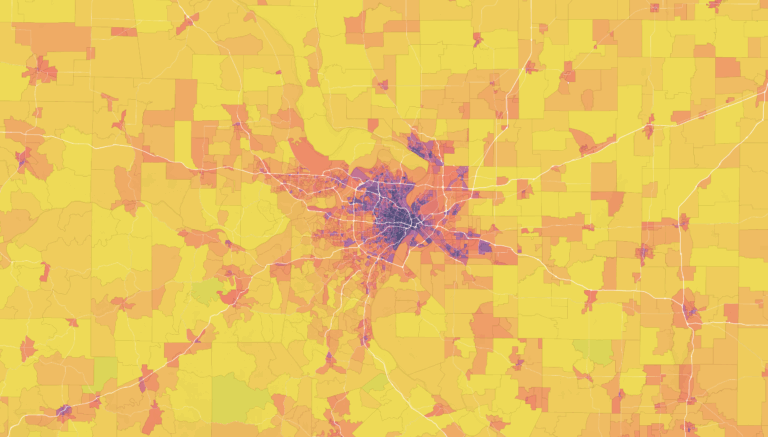
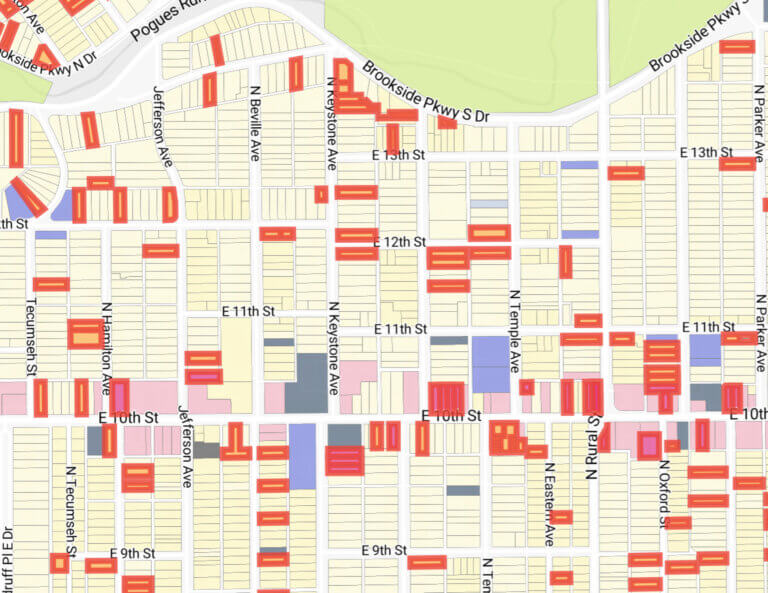
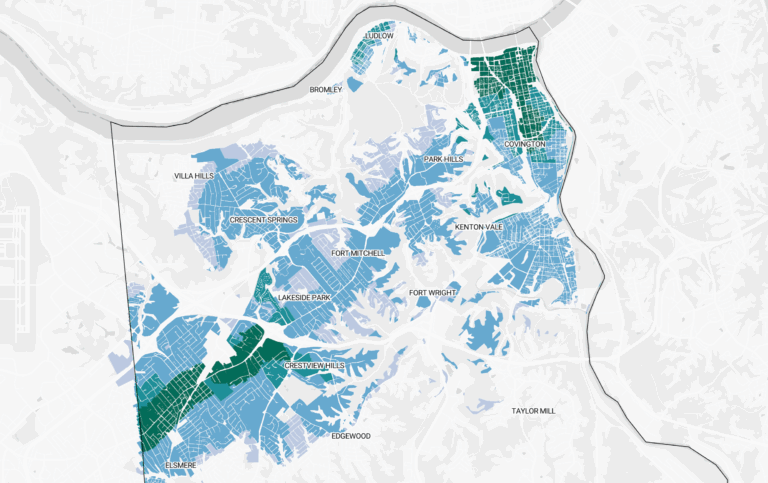
A GIS-based housing suitability analysis scores locations across the county based on infrastructure capacity, access to jobs and services, land use diversity, walkability, and transit proximity. Areas scoring highest, concentrated around established downtowns and transit stations, are best positioned to support the kinds of denser and more diverse housing that would help attract the households and workforce the county needs to improve its competitive position in the region. The analysis also incorporates a spatial premium and discount model to identify where regulatory changes alone could unlock development versus where public investment or subsidies are needed to make projects feasible.
Downtown Joliet emerges as a particularly compelling opportunity, with the highest housing-readiness scores, substantial publicly owned land, and underutilized parking lots that could support catalytic mixed-use development. Transit-adjacent sites, including underused commuter parking lots with reduced post-pandemic ridership, present additional potential across the county.
Building a Strategic Action Plan
The study estimates that Will County needs approximately 25,000 new housing units over the next 10 years to keep up with projected household growth and address existing shortages. Nearly 5,000 rental units are needed immediately to fill gaps in the current housing stock, where low vacancy rates indicate that demand is outstripping supply.
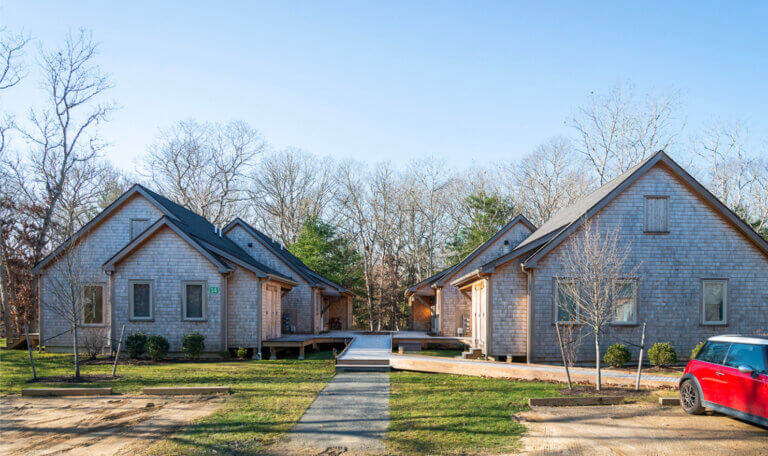
Stakeholder engagement addressing a variety of topics, including market realities, regulatory barriers, housing products, site strategies, workforce retention, and political messaging, has shaped a set of strategic recommendations organized as policies, programs, and partnerships. Missing middle housing, including townhomes, duplexes, cottage clusters, and small-lot single-family, was the most frequently cited gap across all stakeholder sessions. The strategic action plan provides a best practices library and priority actions that municipalities can implement to promote the production of needed housing types.