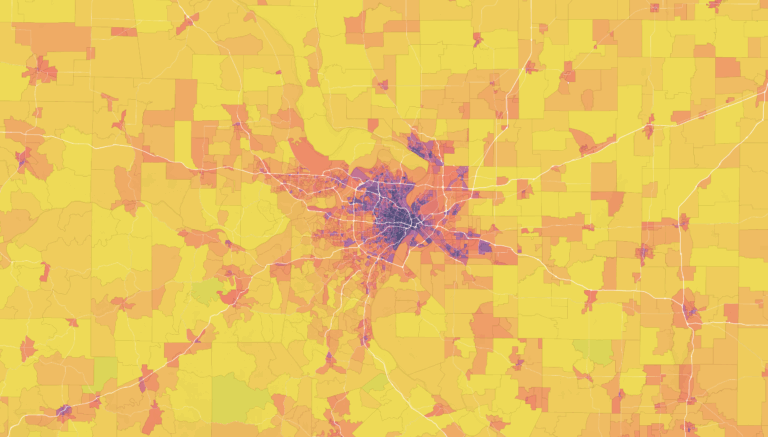
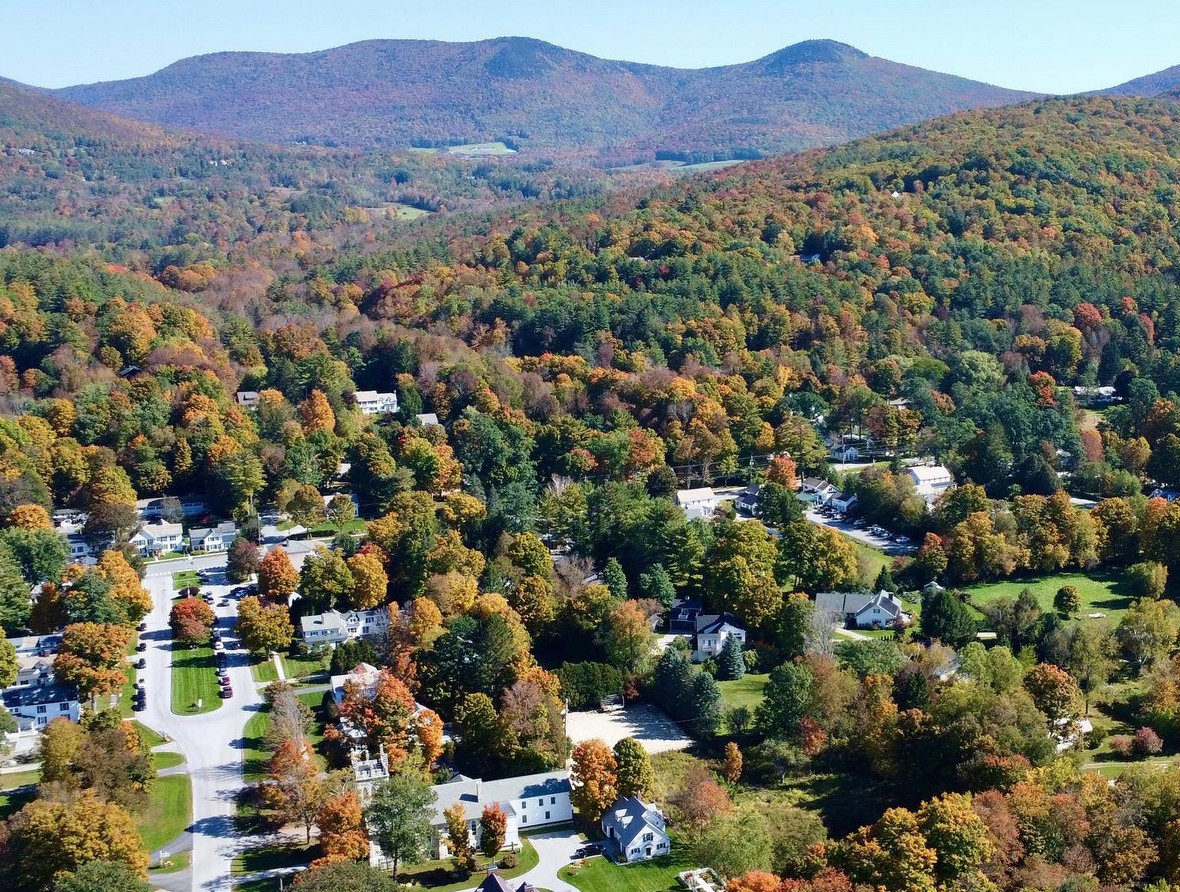
Especially since the pandemic, housing prices in many parts of Vermont have risen quickly, driven by the second home market, short-term rentals, and high-income remote workers relocating from cities such as New York and Boston. However, in Dorset, there is an additional factor adding pressure to the market: highly desirable local schools are attracting families with children, a group that is typically on the decline in other parts of the state. As a result, market and demographic analysis show rapidly rising home prices along with household population turnover as new families move in and more locals move out.
A town-owned site for attainable housing
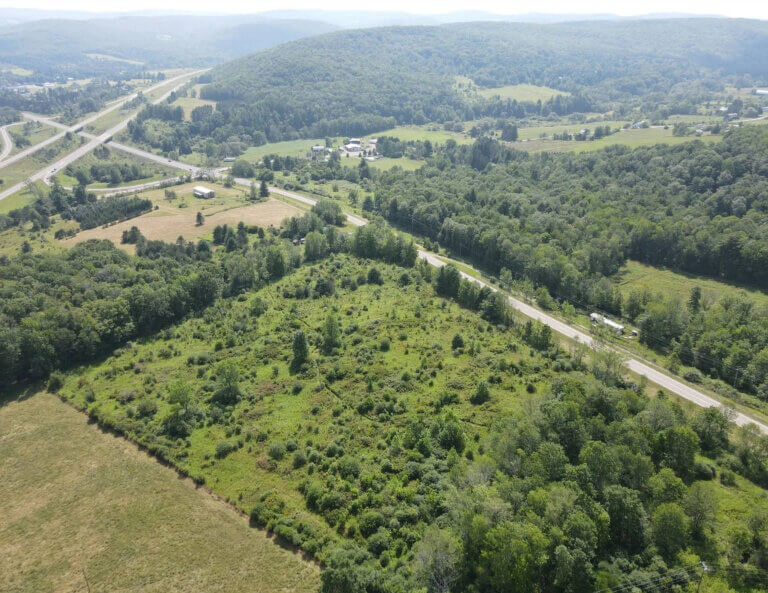
The Town recently acquired a large site not far from its village center. The community has committed to creating attainable housing on the property as a way to counteract the cost burden and displacement precipitated by Dorset’s over-heated market. The Town plans to partner with a developer to build out the site but the community needs to agree on a development program first. There are many variables that make this a challenge. How many units fit on the site? What types of units are most needed? What price points should they target? How can the financing strategy offset very high construction costs that otherwise raise prices out of reach?
Translating local housing needs into a development program
CommunityScale prepared a detailed Housing Market Analysis to help the Town answer these questions and move forward with a preferred approach to developing the site. The process included demographic and market analysis along with multiple rounds of in-person stakeholder and community engagement.
Key analysis findings and outcomes include:
- Housing prices are well above what most local residents and employees can afford, leading people to move away and making it harder for local businesses and institutions such as schools to hire staff.
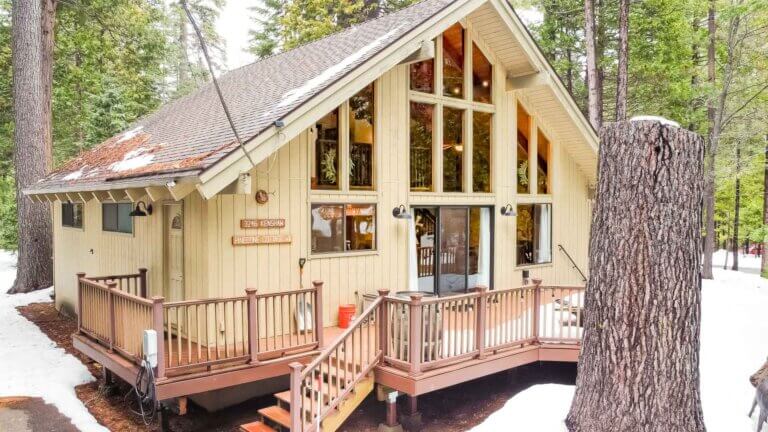
- While many new arrivals are families with kids, the demographic trends among established residents point toward smaller households and more seniors. With most housing units relatively large detached single family houses, Dorset does not have many housing options for a growing share of its population. In particular, the town needs more rental apartments for local workers and smaller ownership units suitable for downsizing seniors.
- There are many barriers to building new housing that meets local needs, including high construction costs, market competition from high-income families and second home buyers, regulatory friction, community concerns about density, and lack of available building sites.
- With similar barriers constraining housing development throughout the broader region, there is pent up market demand that could support dozens of new units per year in Dorset.
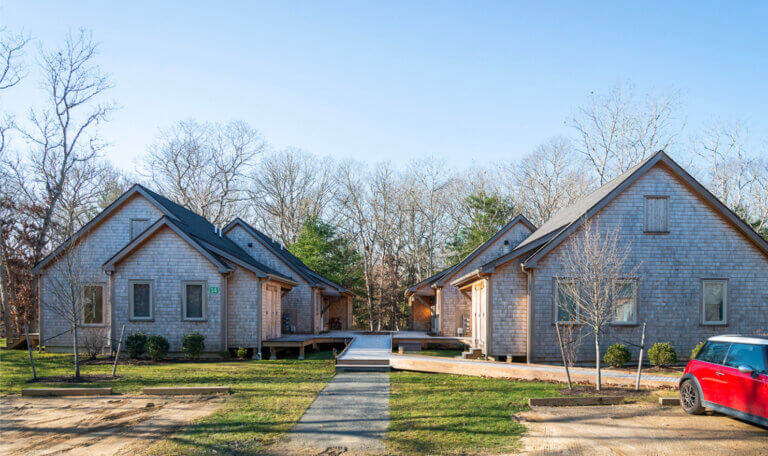
- The Town-owned site should be utilized to add types of housing that are needed by local residents and undersupplied by the market. This includes smaller rentals and ownership options that are suitable to young workers and downsizing seniors.
- The study concludes with 3 scenarios testing the financial feasibility of different unit mixes and affordability targets, including a 30-unit, 60-unit, and 90-unit option.
- To support lower price points for future renters and buyers, the scenarios explore how the Town could sell part of the property as lots for market rate houses, dedicating the proceeds toward reducing the project’s overall development cost.
- The report includes an interactive calculator the Town can use to continue exploring options as other due diligence and planning tasks are completed, such as infrastructure pricing and engineering evaluations.