In March, we wrote about federal housing bills moving in parallel: the House’s Housing for the 21st Century Act and the Senate’s ROAD to Housing Act. On July 11, 2026, the 21st Century ROAD to Housing Act took effect, enacted as H.R. 6644, an act “to increase the supply of housing in America, and for other purposes,” that folds in provisions from more than 60 separate bills. It cleared both chambers with wide bipartisan margins, the Senate 85 to 5 and the House 358 to 32, and became law without the President’s signature, taking effect automatically after it sat on his desk for ten days.
Nearly everything from March survived in some form, including the HUD zoning guidelines, the competitive grants, the CDBG production incentive, and the data requirements. They now sit alongside a much larger set of provisions on financing, manufactured housing, community banking, veterans’ housing, and, institutional investors.
Also noteworthy, the section “No additional funds authorized,” states that no new funds are appropriated to carry out the Act or any amendment it makes. Nearly every grant program here is authorized but not funded, so the dollars depend on separate appropriations that Congress has not yet made. So, in the near term, the law is a wave of federal rulemaking and guidance that will define the models, standards, and scoring that communities are measured against.
A cap on institutional investors
Under the title “Homes are for people, not corporations,” the law prohibits large institutional investors from buying single-family homes.
- A large institutional investor is a for-profit entity with investment control of 350 or more single-family homes. Government entities are excluded.
- A single-family home is defined as a structure with two or fewer dwelling units, so it reaches duplexes, and it excludes manufactured homes.
- The ban applies to new purchases only. It does not force anyone to sell homes they already own.
- The carve-outs are broad: build-to-rent developments, renovate-to-rent programs (with at least 15 percent rehab), rent-to-own and credit-building homeownership programs, communities for residents aged 55 and older, and acquisitions through foreclosure or loss mitigation are all exempt.
What survived from March
The core supply and zoning machinery we flagged in March made it through, and this is the part most relevant to local governments:
- Federal zoning and land-use frameworks. HUD’s research office must publish guidelines and best practices for state and local zoning within three years, after a two-year public-comment period. As before, these are advisory, not mandates, but they shape how federal programs get scored.
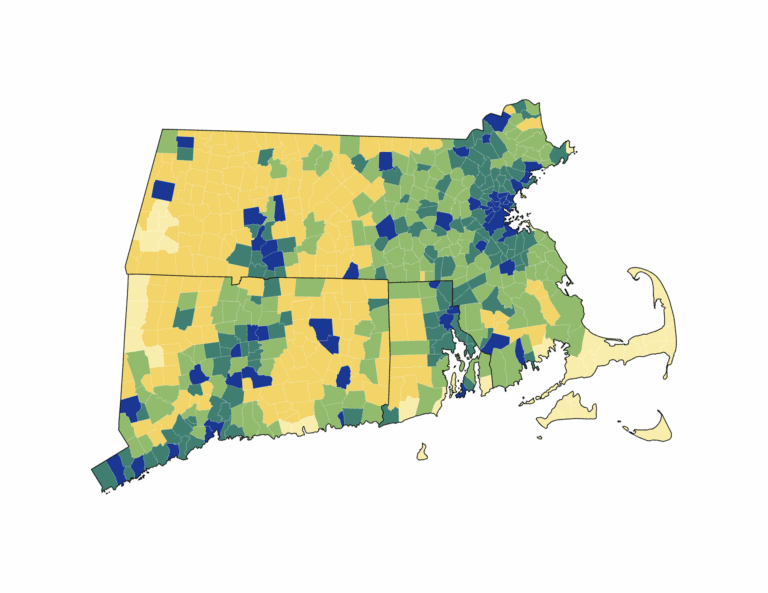
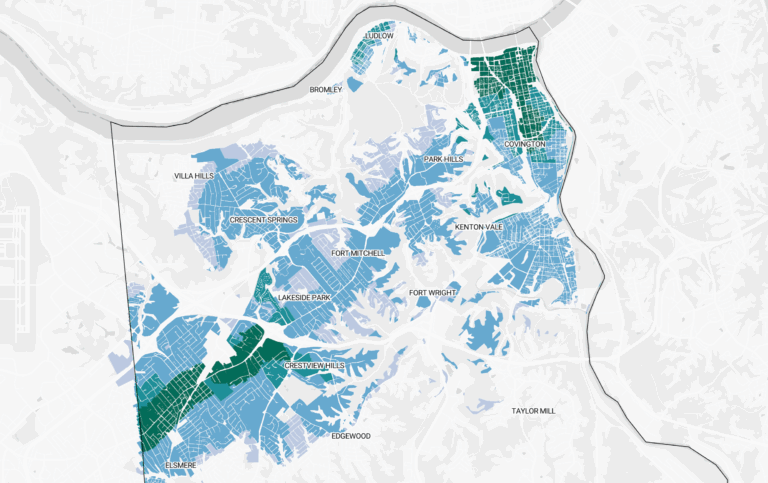
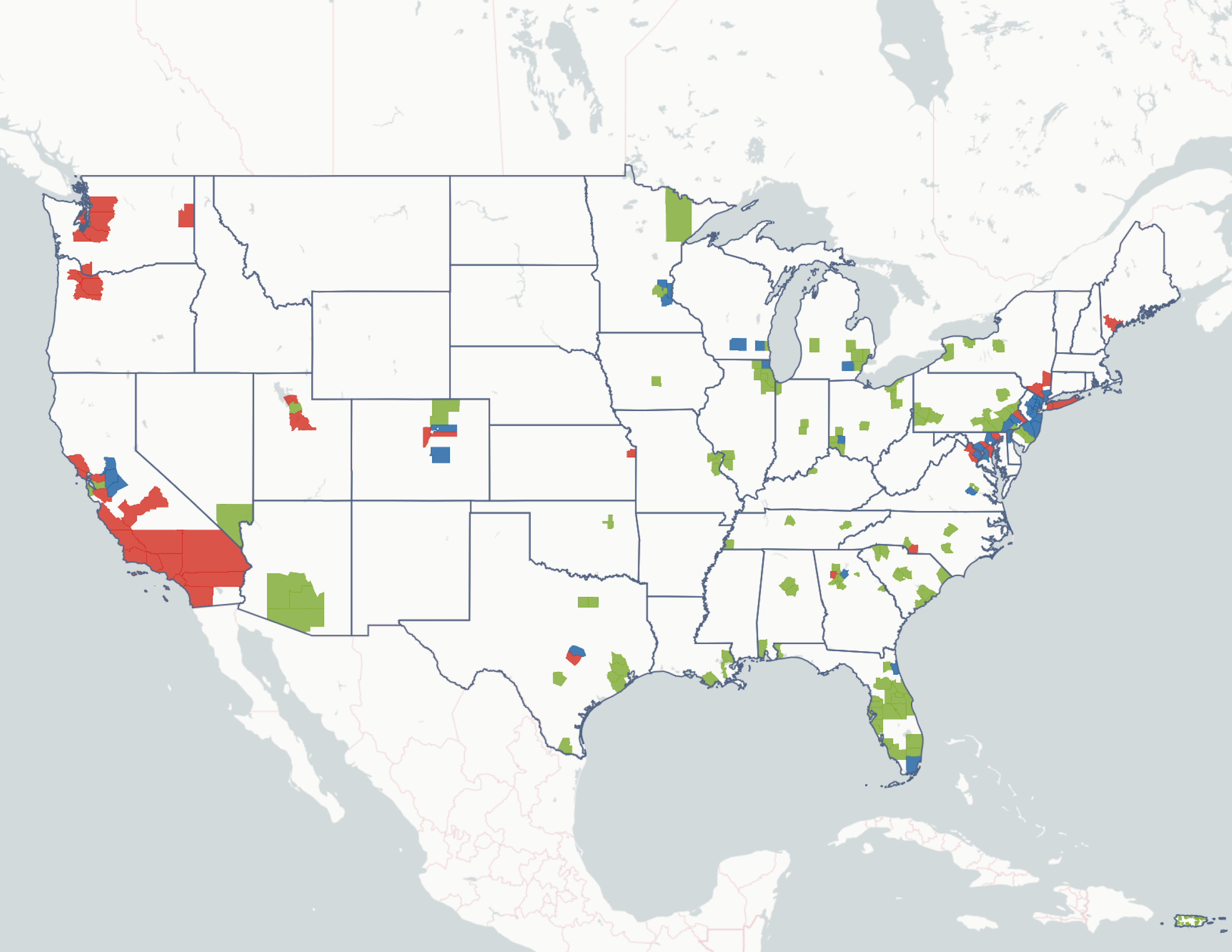
- CDBG tied to housing production (the Build Now Act). A community’s recent housing-growth rate influences its Community Development Block Grant allocation, with the incentive aimed at rewarding places that accelerate homebuilding, and calibrated to exempt lower-cost, high-vacancy, and disaster-hit jurisdictions. We started mapping this calculation.
- Grants for pre-reviewed housing designs (the Accelerating Home Building Act). Support for localities to adopt pre-approved, permit-ready plans, including accessory dwelling units and duplexes, and to expand by-right uses, cutting time and cost out of approvals.
- Point-access, or single-stair, buildings. HUD must issue model code language within 18 months for point-access block buildings, defined in the law as residential buildings served by a single internal stairway, up to six stories, plus competitive grants for pilot projects. It directs HUD to work with the International Code Council to get this into the model building code, and it does not preempt state or local codes. Single-stair rules unlock family-sized units and better small-lot buildings.
- Data and documentation. The law continues to push tracking of housing production and structured documentation of local zoning reforms, the reporting that determines who looks good when programs are scored.
If your community started getting its zoning-reform inventory and housing-growth numbers in order after our March post, that work is about to pay off.
Wins for manufactured and modular housing
The final law leans harder into factory-built housing:
- Elimination of the permanent-chassis requirement. The statute literally rewrites the definition of a manufactured home from “on a permanent chassis” to “with or without a permanent chassis,” a long-sought change that lets these homes look, site, and finance more like site-built houses. HUD will set standards and a distinct label for chassis-free homes.
- A modular housing production review of financing barriers in FHA construction programs.
- Higher FHA-insured manufactured-housing loan limits, with accessory dwelling unit construction added as an eligible use.
Financing and access provisions
Several provisions target the financing side of the ownership gap:
- FHA small-dollar mortgages, a pilot for home loans of $100,000 or less, the low-balance segment the market has effectively abandoned and the one that matters most for lower-cost homes and legacy stock. HUD may launch it within a year.
- Appraisal reform, changes to appraiser licensing and training, plus support for building the appraisal workforce.
- Voucher and program reforms, streamlined inspection timelines under the Housing Choice Voucher program, a higher Rental Assistance Demonstration cap, a three-year reauthorization of CDBG Disaster Recovery, and a new Moving to Work cohort.
- Opportunity Zones, priority for projects in or serving Opportunity Zones in competitive housing grants.
What your community should do now
The rulemaking clock is running and the communities that move first will be positioned when the guidelines and, eventually, the grant dollars land. Concretely:
- Inventory your zoning reforms. Document what you have already done against the categories the law rewards. This is the paper trail that determines how you score.
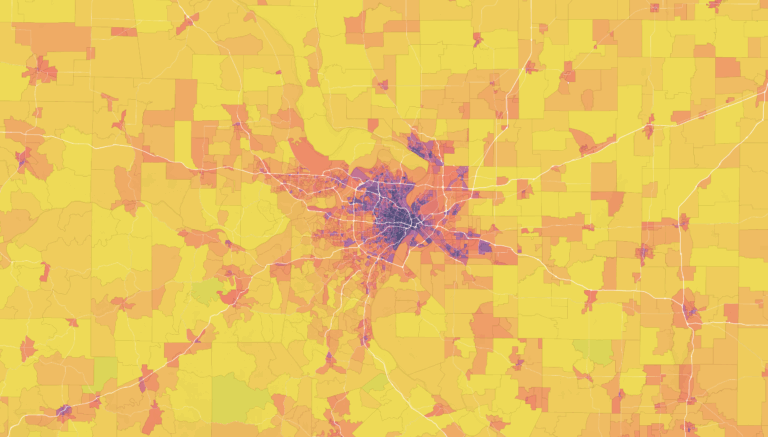
- Know your housing-growth numbers. The CDBG incentive rewards production. We’ve started tracking these numbers for eligible communities on our mapping platform where you can explore counties and municipalities, read about it in the docs.
- Watch the rulemakings, and weigh in. The point-access guidelines (18 months), the zoning frameworks (three years, with a two-year comment window), and the small-dollar and investor rules are being written now.
- Look hard at the new tools. Single-stair buildings, pre-reviewed designs, and manufactured and modular pathways now have federal guidelines behind them. Decide which fit your market and get your codes ready.
- Coordinate regionally. Several programs favor regional and multi-jurisdiction applicants.

If you want to understand what this law means for your community specifically, get in touch.